Maintaining optimal skin health is essential not only for aesthetic reasons but also for overall well-being. The skin is the body's largest organ, serving as a protective barrier against environmental factors, pathogens, and harmful substances. Understanding how to care for your skin can significantly impact your confidence and quality of life, especially when considering conditions like Endocrine Disorders and Cystic Acne Causes Symptoms. This is where the roles of is essential not only for aesthetic reasons but also for overall well-being. The skin is the body's largest organ, serving as a protective barrier against environmental factors, pathogens, and harmful substances. Understanding how to care for your skin can significantly impact your confidence and quality of life, especially when considering conditions like Endocrine Disorders and Cystic Acne Causes Symptoms. This is where the roles of dermatology and skin clinics come into play, providing specialized knowledge and services tailored to individual skin needs. While many people may think of a dermatologist as the go-to expert for all skin-related issues, skin clinics offer a broader range of services that can complement dermatological care.
These clinics often focus on cosmetic treatments, skin rejuvenation, and preventive care, making them an attractive option for those looking to enhance their appearance or address specific skin concerns. By understanding the differences between these two entities, individuals can make informed decisions about their skin care journey. In this article, we will explore the unique roles of dermatologists and skin clinics, highlighting how each contributes to achieving and maintaining healthy skin. Whether you are dealing with chronic conditions like acne or simply seeking to improve your skin's appearance, knowing when to consult a dermatologist versus visiting a skin clinic can lead to better outcomes and a more personalized approach to your These clinics often focus on cosmetic treatments, skin rejuvenation, and preventive care, making them an attractive option for those looking to enhance their appearance or address specific skin concerns. By understanding the differences between these two entities, individuals can make informed decisions about their skin care journey. In this article, we will explore the unique roles of dermatologists and skin clinics, highlighting how each contributes to achieving and maintaining healthy skin. Whether you are dealing with chronic conditions like acne or simply seeking to improve your skin's appearance, knowing when to consult a dermatologist versus visiting a skin clinic can lead to better outcomes and a more personalized approach to your skin care routine.
What is a Dermatologist?
A dermatologist is a medical doctor who specializes in diagnosing and treating conditions related to the skin, hair, and nails. They undergo extensive training, typically completing four years of medical school followed by a residency program focused on dermatology.This rigorous education equips them with the knowledge to address a wide range of skin issues, from common ailments to complex diseases.
Qualifications of a Dermatologist
- Medical Degree (MD or DO)
- Completion of a dermatology residency program
- Board certification in dermatology
- Diagnosis and Treatment: They can identify and treat conditions such as acne, eczema, psoriasis, and skin infections.
- Skin Cancer Screening: Dermatologists conduct thorough examinations to detect early signs of skin cancer and provide necessary interventions.
- Cosmetic Procedures: Many dermatologists offer services like Botox injections, chemical peels, and laser treatments to improve skin aesthetics.
- Management of Chronic Skin Conditions: They help patients manage long-term issues like rosacea or dermatitis through tailored treatment plans.
What is a Skin Clinic?
A skin clinic is a specialized facility that focuses on the diagnosis, treatment, and prevention of various skin conditions. Unlike traditional dermatology practices, which are often led by licensed dermatologists and may include a broader range of medical services, skin clinics typically emphasize aesthetic treatments and non-invasive procedures.Types of Services Offered
Skin clinics provide a variety of services tailored to enhance skin health and appearance.Common offerings include:
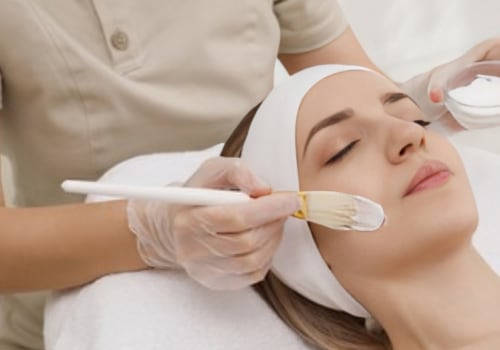
- Facials: Customized treatments designed to cleanse, exfoliate, and hydrate the skin.
- Chemical Peels: Procedures that use chemical solutions to improve skin texture and tone.
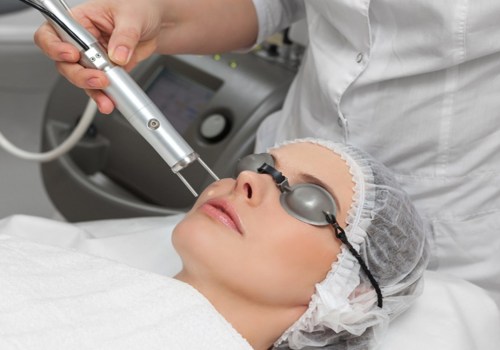
- Laser Treatments: Non-invasive techniques for hair removal, scar reduction, and skin rejuvenation.
- Microdermabrasion: A procedure that exfoliates the skin to remove dead cells and promote new cell growth.
- Injectables: Treatments such as Botox or dermal fillers aimed at reducing wrinkles and enhancing facial volume.
Types of Skin Clinics
Skin clinics can vary significantly in their focus and services. Some common types include:- Aesthetic Skin Clinics: Focus primarily on cosmetic procedures to enhance appearance.
- Medical Skin Clinics: Offer treatments for specific skin conditions like acne, eczema, or psoriasis, often under the supervision of a dermatologist.
- Day Spas with Skin Services: Provide a relaxing environment where clients can receive skin treatments alongside other wellness services.
Key Differences Between Dermatologists and Skin Clinics
When considering skin health, understanding the key differences between a dermatologist and a skin clinic is crucial. While both play significant roles in addressing skin concerns, their services and expertise vary considerably.1.Expertise and Qualifications
- A dermatologist is a medical doctor who specializes in diagnosing and treating skin, hair, and nail disorders.
They undergo extensive training, including a residency in dermatology, which equips them with the knowledge to handle complex skin issues.
- A skin clinic, on the other hand, may employ licensed estheticians or skincare specialists who provide treatments focused on cosmetic concerns such as facials, chemical peels, and laser treatments. However, they may not have the same level of medical training as dermatologists.
2.Range of Services
- Dermatologists offer a wide array of services, including:
- Diagnosis and treatment of skin diseases (e.g., eczema, psoriasis)
- Skin cancer screenings and treatments
- Prescription medications for various skin conditions
- Surgical procedures for skin lesions or cancers
- Skin clinics, in contrast, typically focus on:
- Aesthetic treatments like microdermabrasion and facials
- Non-invasive procedures such as Botox or fillers
- Skin rejuvenation therapies that do not require medical oversight
3.When to See Each Professional
- If you have persistent skin issues, rashes, or suspect a serious condition like skin cancer, it’s advisable to consult a dermatologist.
- If your concerns are primarily cosmetic—such as wanting clearer skin or reducing signs of aging—a visit to a skin clinic may be more appropriate.
When to Visit a Dermatologist vs. a Skin Clinic
Understanding when to visit a dermatologist versus a skin clinic can significantly impact your skin health.Each option serves distinct purposes and is suited for different skin concerns.
When to See a Dermatologist
A dermatologist is a medical doctor specializing in skin, hair, and nail disorders. You should consider visiting a dermatologist if you experience:- Severe Skin Conditions: Issues like psoriasis, eczema, or severe acne that do not respond to over-the-counter treatments.
- Skin Cancer Concerns: Any suspicious moles or changes in your skin that could indicate skin cancer.
- Persistent Rashes or Infections: Rashes that last longer than a few weeks or recurrent infections.
- Complex Skin Issues: Conditions requiring specialized treatment, such as autoimmune diseases affecting the skin.
When to Visit a Skin Clinic
Skin clinics, often staffed by licensed estheticians or nurse practitioners, focus on cosmetic and aesthetic treatments. You might choose a skin clinic for:- Aesthetic Treatments: Services like facials, chemical peels, and microdermabrasion aimed at improving skin appearance.
- Routine Skin Care: Regular maintenance treatments for healthy skin, such as hydrafacials or acne facials.
- Minor Skin Concerns: Issues like mild acne or dry skin that can be managed with topical products and basic treatments.
- Cosmetic Procedures: Non-invasive procedures like Botox or fillers that enhance facial aesthetics.
Always assess your specific needs and consider seeking professional advice to determine the best path for your skin health.
Common Treatments Offered by Dermatologists and Skin Clinics
When considering skin health, both dermatologists and skin clinics offer a variety of treatments tailored to address different skin concerns. Understanding the common treatments available can help you make informed decisions about your skincare needs.Common Dermatology Treatments
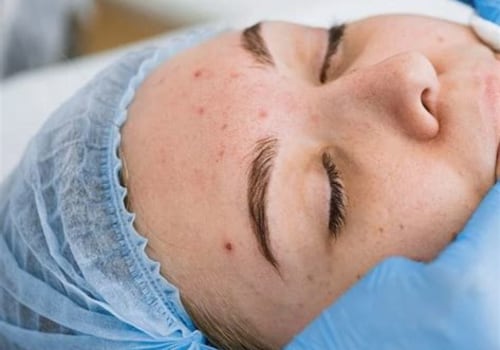
- Acne Treatment: Dermatologists often provide comprehensive acne management, including prescription medications, topical treatments, and advanced therapies like chemical peels or laser therapy.
- Skin Cancer Screening: Regular screenings and biopsies are crucial for early detection of skin cancer. Dermatologists are trained to identify suspicious moles and lesions.
- Eczema and Psoriasis Management: These chronic conditions require specialized care, which dermatologists can provide through a combination of topical treatments and systemic medications.
- Cosmetic Procedures: Many dermatologists offer cosmetic enhancements such as BOTOX, dermal fillers, and laser resurfacing to improve skin appearance.
Treatments Offered by Skin Clinics
- Facials: Skin clinics often provide a range of facials designed to cleanse, exfoliate, and hydrate the skin, catering to various skin types.
- Microdermabrasion: This non-invasive procedure helps to remove dead skin cells, promoting a smoother complexion and reducing the appearance of fine lines.
- Chemical Peels: Skin clinics frequently offer chemical peels that vary in strength to treat issues like pigmentation, acne scars, and uneven texture.
- Laser Treatments: Many skin clinics utilize laser technology for hair removal, tattoo removal, and skin rejuvenation, providing effective results with minimal downtime.
In contrast, for routine skincare or cosmetic enhancements, a skin clinic can be an excellent choice.
FAQs About Dermatologists and Skin Clinics
When considering skincare options, many people find themselves asking about the differences between dermatologists and skin clinics. Here are some frequently asked questions that can help clarify these distinctions:What is a dermatologist?
A dermatologist is a medical doctor who specializes in diagnosing and treating skin, hair, and nail disorders. They have completed extensive training, including medical school and a residency in dermatology. This expertise allows them to handle complex skin conditions such as:- Acne
- Eczema
- Psoriasis
- Skin cancer
- Allergic reactions
What services do skin clinics offer?
Skin clinics, on the other hand, may not always be staffed by licensed dermatologists.They often provide a range of cosmetic and aesthetic treatments, including:
- Facials
- Laser hair removal
- Chemical peels
- Microdermabrasion
- Injectables like Botox and fillers
Can I visit a skin clinic for medical concerns?
While some skin clinics may offer basic skincare advice or treatments for minor issues, it is advisable to consult a dermatologist for any serious or persistent skin problems. Dermatologists can provide comprehensive evaluations and treatments that are medically necessary.How do I choose between a dermatologist and a skin clinic?
Your choice should depend on your specific needs. If you have a medical condition affecting your skin, visiting a dermatologist is the best option. For cosmetic procedures or general skincare advice, a reputable skin clinic may suffice.In summary, understanding the roles of dermatologists and skin clinics can help you make informed decisions about your skincare journey.Always consider your individual needs and consult with professionals who can provide the appropriate care.
Conclusion: Making Informed Choices for Your Skin Health
In conclusion, understanding the differences between a dermatologist and a skin clinic is essential for making informed choices about your skin health. Both play significant roles in skincare, but they cater to different needs and offer varying levels of expertise. A dermatologist is a medical doctor specializing in skin conditions, capable of diagnosing and treating complex skin issues, including diseases like eczema, psoriasis, and skin cancer. They provide comprehensive care that often includes medical treatments, surgical procedures, and ongoing management of chronic conditions. On the other hand, a skin clinic typically focuses on cosmetic treatments and aesthetic procedures. These clinics may offer services such as facials, chemical peels, and laser treatments aimed at improving the appearance of the skin rather than addressing medical concerns.While some skin clinics employ licensed professionals, they may not have the same level of medical training as dermatologists. When deciding where to seek treatment, consider the following:
- Your specific skin concerns: If you have a medical condition or persistent issues, a dermatologist is likely your best option.
- The type of treatment you desire: For cosmetic enhancements or routine skincare, a skin clinic may be more appropriate.
- Qualifications and experience: Always check the credentials of the professionals at both dermatology offices and skin clinics to ensure you receive quality care.