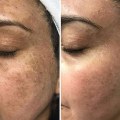
Understanding skin health is essential for maintaining not only your appearance but also your overall well-being. The skin is the body's largest organ, serving as a protective barrier against environmental factors, pathogens, and harmful substances. As such, it requires proper care and attention from an early age. Many people underestimate the importance of skin care, often waiting until issues arise before seeking professional help.
However, proactive measures can significantly enhance skin quality and prevent future problems. Visiting a skin clinic can provide numerous benefits, including personalized assessments and tailored treatment plans that address individual skin concerns. These clinics are equipped with advanced technology and staffed by professionals who understand the complexities of skin health. By starting regular visits to a skin clinic early on, individuals can learn about their unique skin types and receive guidance on effective skincare routines that promote long-term health. Moreover, early intervention can help identify potential issues such as acne, pigmentation disorders, or signs of aging before they become more serious. This proactive approach not only improves the skin's appearance but also boosts confidence and self-esteem.
In a world where first impressions matter, investing in your skin health is a decision that pays off in many ways.
The Role of a Skin Clinic in Skin Care
A skin clinic is a specialized facility that focuses on diagnosing and treating various skin conditions, as well as providing aesthetic services to enhance skin health and appearance. These clinics are staffed by trained professionals, including dermatologists, estheticians, and skincare specialists, who offer a range of services tailored to individual needs.Services offered by skin clinics
can vary widely but typically include:- Skin assessments: Comprehensive evaluations to identify skin issues such as acne, eczema, or psoriasis.
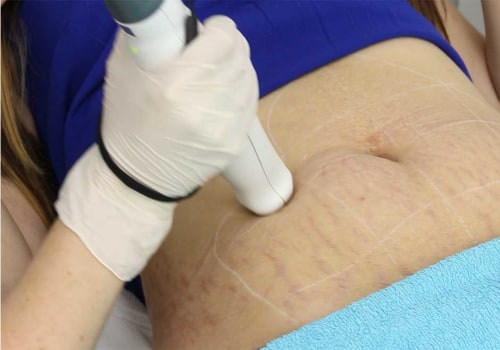
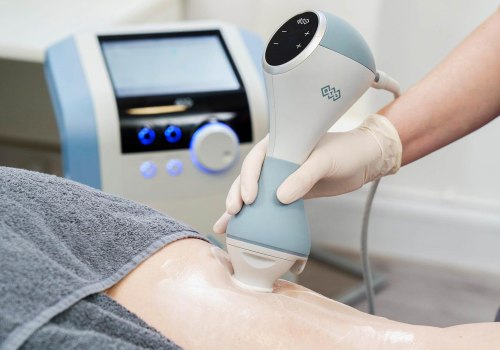
- Treatments: Medical treatments for skin conditions, including prescription medications and advanced therapies like laser treatments.
- Aesthetic procedures: Services such as chemical peels, microdermabrasion, and injectables like Botox or fillers to improve skin texture and reduce signs of aging. Services such as chemical peels, microdermabrasion, and injectables like Botox or fillers to improve skin texture and reduce signs of aging.
- Skincare consultations: Personalized advice on skincare routines and product recommendations based on individual skin types.
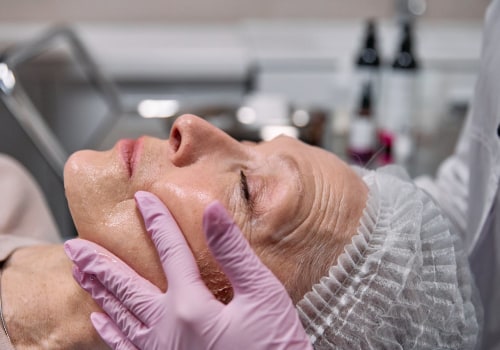
Middle-aged individuals often benefit from anti-aging treatments that can rejuvenate their appearance. Even older adults can find value in specialized treatments that address age-related skin issues.In summary, a skin clinic plays a crucial role in maintaining skin health across different life stages. By providing expert care and tailored solutions, these clinics empower individuals to achieve their best skin possible, making them an invaluable resource for anyone looking to enhance their skincare journey.
Recommended Age to Start Visiting a Skin Clinic
Determining the recommended age to start visiting a skin clinic can vary based on individual skin needs and concerns. However, many dermatologists suggest that early visits can be beneficial, especially for those with specific skin issues.Teenagers (Ages 13-19)
- During adolescence, hormonal changes can lead to acne and other skin conditions.
A visit to a skin clinic can help in managing these issues effectively.
- Skin clinics can provide tailored advice on proper skincare routines and treatments that are safe for younger skin.
Young Adults (Ages 20-30)
- This age group often begins to notice the first signs of aging, such as fine lines and sun damage. Regular visits can help in preventive care.
- Consultations can also address concerns like acne scars or pigmentation issues that may have developed during teenage years.
Adults (Ages 30 and Up)
- As skin continues to age, it becomes increasingly important to seek professional advice. Skin clinics offer treatments that can rejuvenate the skin and address specific concerns like wrinkles and sagging.
- Regular check-ups can also help in early detection of skin conditions, including skin cancer.
Conclusion
In summary, while there is no strict age limit for visiting a skin clinic, starting in your teenage years is often recommended for those experiencing skin issues. For others, regular visits should begin in young adulthood to maintain healthy skin and address emerging concerns.
Ultimately, the best time to start is when you feel the need for professional guidance on your skincare journey.
Skin Care Needs by Age Group
Understanding the skin care needs of different age groups is essential for determining when to start visiting a skin clinic. Each stage of life presents unique challenges and requirements for maintaining healthy skin.Children (Ages 0-12)
For young children, the focus is primarily on protecting their delicate skin from environmental factors. Parents should ensure that their children use gentle, hypoallergenic products. While regular visits to a skin clinic are not necessary at this age, any unusual skin conditions should be evaluated by a professional.Teenagers (Ages 13-19)
This age group often experiences hormonal changes that can lead to acne and other skin issues.It is advisable for teenagers to start visiting a skin clinic around the onset of puberty, typically between ages 12 and 14. A dermatologist can provide tailored advice on managing acne, recommend appropriate products, and offer treatments that can prevent scarring.
Adults (Ages 20-59)
As individuals transition into adulthood, their skin care needs evolve. Young adults should continue to address acne but also begin to incorporate anti-aging products into their routine. Regular visits to a skin clinic can help in identifying early signs of aging and provide treatments such as chemical peels or microdermabrasion. For those in their late 30s and 40s, professional guidance becomes increasingly important to maintain skin elasticity and hydration.Seniors (Ages 60 and Above)
Older adults face unique challenges such as dryness, wrinkles, and age spots.It is crucial for seniors to consult with a skin clinic regularly to address these issues effectively. Dermatologists can recommend specialized treatments that cater to mature skin, including moisturizers with hyaluronic acid and retinoids that promote cell turnover. In summary, the recommended age to start visiting a skin clinic varies by individual needs but generally begins in the teenage years. Regular consultations can help individuals of all ages maintain healthy skin and address specific concerns as they arise.
What to Expect During Your First Visit to a Skin Clinic
Visiting a skin clinic for the first time can be both exciting and a bit nerve-wracking. Understanding what to expect during your initial consultation can help ease any anxiety and ensure you make the most of your visit.Preparation Before Your Visit
Before heading to the skin clinic, it’s important to prepare adequately:- Gather Your Medical History: Be ready to discuss any previous skin conditions, treatments, or medications you have used.
- List Your Concerns: Write down specific skin issues you want to address, such as acne, pigmentation, or signs of aging.
- Avoid Certain Products: Refrain from using harsh skincare products or treatments for a few days prior to your appointment.
The Consultation Process
During your first visit to a skin clinic, you can expect the following steps:- Initial Assessment: The dermatologist or skincare professional will begin with a thorough assessment of your skin.
This may include examining your skin type, texture, and any specific concerns you have raised.
- Discussion of Goals: You will discuss your skincare goals and expectations. This is an opportunity to express what you hope to achieve through treatments.
- Personalized Recommendations: Based on the assessment and discussion, the professional will provide tailored recommendations for treatments or products that suit your skin's needs.
- Questions and Answers: Don’t hesitate to ask questions about the recommended treatments, potential side effects, and expected outcomes. This is crucial for making informed decisions about your skincare journey.
FAQs About Visiting a Skin Clinic at Different Ages
When considering a visit to a skin clinic, many individuals have questions about the appropriate age to start seeking professional skin care.Here are some frequently asked questions that can help clarify this topic:
- At what age should I start visiting a skin clinic?
While there is no strict age limit, many dermatologists recommend that individuals begin visiting a skin clinic in their teenage years, especially if they are experiencing acne or other skin concerns. Early intervention can help manage these issues effectively. - Is it necessary for children to visit a skin clinic?
Children may not need regular visits unless they have specific skin conditions, such as eczema or psoriasis. However, if parents notice unusual skin changes, consulting a dermatologist can provide peace of mind. - What services can teenagers expect at a skin clinic?
Teenagers can benefit from treatments tailored to their needs, including acne management, skin assessments, and education on proper skincare routines. A skin clinic can also offer advice on sun protection and the importance of healthy habits. - Are there age restrictions for certain treatments?
Yes, some advanced treatments may have age restrictions.For instance, procedures like chemical peels or laser treatments are typically recommended for older teens and adults. It's essential to consult with a dermatologist to determine the best options based on age and skin type.
- How often should I visit a skin clinic as I age?
As you grow older, your skin's needs change. Regular visits to a skin clinic can help address issues such as aging, sun damage, and other concerns. Many adults benefit from annual check-ups, while those with specific conditions may require more frequent visits.
Early consultations can lead to better long-term skin health, making it beneficial for both teenagers and adults to seek professional advice when necessary.
Conclusion: The Importance of Early Skin Care and Professional Guidance
In conclusion, understanding the recommended age to start visiting a skin clinic is crucial for maintaining optimal skin health throughout one’s life. Early intervention can lead to better management of skin conditions and the establishment of a solid skincare routine. As discussed, the ideal age to begin these visits can vary based on individual skin types, concerns, and family history.For adolescents, starting consultations around the age of 12 or 13 can be beneficial, especially for those experiencing hormonal changes that may lead to acne or other skin issues. By seeking professional guidance early on, young individuals can learn about proper skincare practices and receive tailored advice that addresses their unique needs.For adults, regular visits to a skin clinic should ideally begin in their late teens or early twenties.This proactive approach allows for early detection of potential skin problems and the implementation of preventive measures. Moreover, as we age, our skin undergoes various changes that require specialized care; thus, establishing a relationship with a skincare professional can be invaluable.
Key Takeaways:
- Start early: Visiting a skin clinic during adolescence can help manage common issues like acne.
- Regular check-ups: Adults should maintain consistent appointments to monitor skin health and address aging concerns.
- Professional guidance: A dermatologist can provide personalized advice and treatment options tailored to individual skin types.