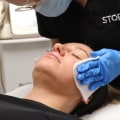
Scars are a common skin concern that can arise from various causes, including injuries, surgeries, and skin conditions. Understanding the different types of scars is essential for anyone considering treatment options at a skin clinic, especially when evaluating cost considerations. The most prevalent types include hypertrophic scars, which are raised and often red or dark in color, and keloid scars, which extend beyond the original injury site and can be itchy or painful. On the other hand, atrophic scars are characterized by a loss of tissue, resulting in depressions in the skin, commonly seen in Scars are a common skin concern that can arise from various causes, including injuries, surgeries, and skin conditions. Understanding the different types of scars is essential for anyone considering treatment options at a skin clinic, especially when evaluating cost considerations. The most prevalent types include hypertrophic scars, which are raised and often red or dark in color, and keloid scars, which extend beyond the original injury site and can be itchy or painful. On the other hand, atrophic scars are characterized by a loss of tissue, resulting in depressions in the skin, commonly seen in acne scars.The formation of scars is a natural part of the healing process. Scars are a common skin concern that can arise from various causes, including injuries, surgeries, and skin conditions. Understanding the different types of scars is essential for anyone considering treatment options at a skin clinic, especially when evaluating cost considerations. The most prevalent types include hypertrophic scars, which are raised and often red or dark in color, and keloid scars, which extend beyond the original injury site and can be itchy or painful. On the other hand, atrophic scars are characterized by a loss of tissue, resulting in depressions in the skin, commonly seen in acne scars. The formation of scars is a natural part of the healing process.
When the skin is injured, the body produces collagen to repair the damage. However, the way this collagen is laid down can vary significantly from person to person and depends on several factors, including genetics, the depth of the injury, and even skin type. For instance, individuals with darker skin tones may be more prone to developing keloid scars due to their unique healing response. Recognizing these differences is crucial for effective scar management. A skin clinic can provide tailored treatment options based on the type and cause of the scar.
From laser therapy to microneedling and chemical peels, understanding your scar's nature will help you make informed decisions about your treatment journey.From laser therapy to microneedling and chemical peels, understanding your scar's nature will help you make informed decisions about your treatment journey.
The Role of Skin Clinics in Scar Treatment
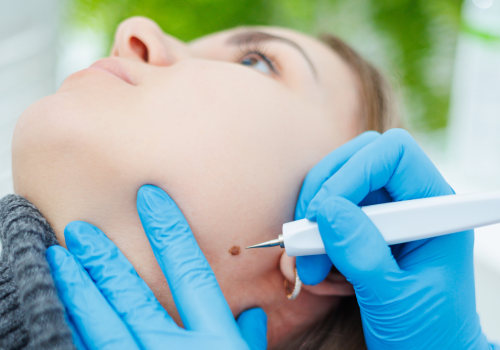
Skin clinics play a crucial role in the treatment and management of scars, offering a range of specialized services tailored to individual needs. These clinics are staffed by experienced dermatologists who understand the complexities of scar formation and the various treatment options available.One of the primary services offered at a skin clinic is laser therapy. This non-invasive procedure utilizes focused light to target scar tissue, promoting collagen production and skin regeneration. Different types of lasers, such as fractional CO2 and pulsed dye lasers, can be employed depending on the scar type and skin condition.Another effective option is microneedling, which involves using fine needles to create micro-injuries in the skin.This stimulates the body’s natural healing process, leading to improved skin texture and reduced appearance of scars. Many patients find this method particularly beneficial for acne scars.
- Chemical peels: These treatments involve applying a chemical solution to exfoliate the top layers of skin, helping to diminish the visibility of scars.
- Dermal fillers: For certain types of scars, fillers can be injected to raise depressed areas, creating a smoother skin surface.
- Surgical options: In more severe cases, surgical intervention may be necessary to remove or revise scars, which can be discussed during a consultation at the clinic.
Popular Scar Removal Techniques Offered by Skin Clinics
When it comes to scar removal and reduction, skin clinics offer a variety of advanced techniques tailored to individual needs.Understanding these methods can help potential clients make informed decisions about their treatment options.
Laser Therapy
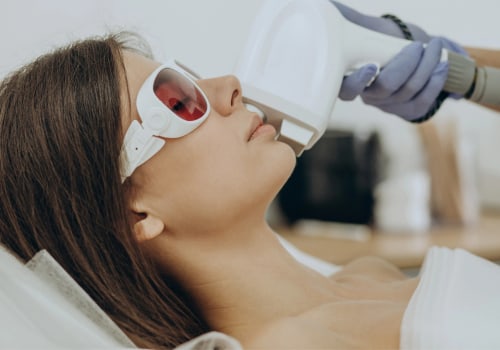
Laser therapy is one of the most popular and effective treatments for scars. This technique utilizes focused light beams to target scar tissue, promoting collagen production and skin regeneration. There are different types of laser treatments available, including:- Ablative lasers: These remove the outer layer of skin, making them effective for deeper scars.
- Non-ablative lasers: These work beneath the skin's surface without damaging the outer layer, suitable for less severe scarring.
Chemical Peels
Chemical peels involve applying a solution to the skin that exfoliates the top layers, revealing smoother skin underneath. This method can significantly improve the appearance of superficial scars.Skin clinics typically offer:
- Superficial peels: These are mild and suitable for light scarring.
- Medium peels: These penetrate deeper and are more effective for moderate scars.
- Deep peels: These provide dramatic results but require longer recovery times.
Microneedling
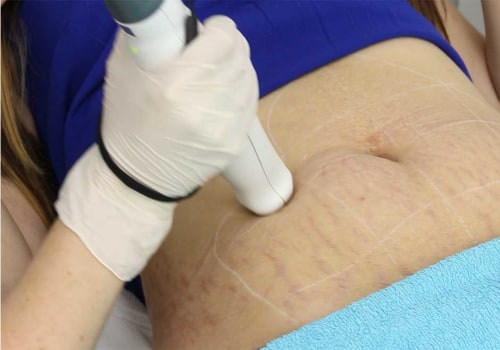
Microneedling, also known as collagen induction therapy, involves using fine needles to create micro-injuries in the skin. This process stimulates the body’s natural healing response, leading to increased collagen and elastin production. It is particularly effective for:- Acne scars
- Stretch marks
- Other types of atrophic scars
What to Expect During a Consultation at a Skin Clinic
When you visit a skin clinic for scar removal or reduction, the first step is typically an initial consultation.This appointment is crucial as it sets the foundation for your treatment plan.
Initial Assessment
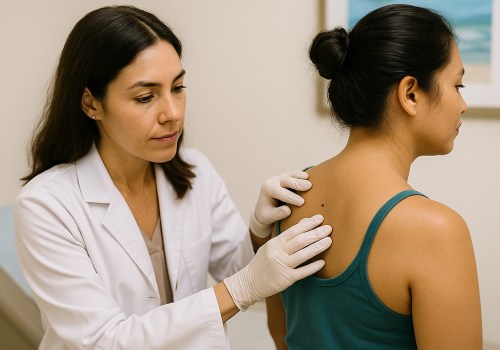
During the consultation, a qualified dermatologist or skin specialist will conduct a thorough assessment of your skin and the specific scars you wish to address. This may involve:
- Visual Examination: The practitioner will closely examine the scars, noting their type, size, and location.
- Medical History Review: You will be asked about your medical history, including any previous treatments for scars and your skin type.
- Discussion of Symptoms: Be prepared to discuss any discomfort or issues related to your scars, such as itching or sensitivity.
Treatment Options Discussion
After the assessment, the specialist will discuss potential treatment options tailored to your needs. Common methods for scar reduction include:After the assessment, the specialist will discuss potential treatment options tailored to your needs. Common methods for scar reduction include:
- Laser Therapy: A popular choice that uses focused light to improve skin texture and reduce scar visibility.
- Microneedling: This technique involves tiny needles that stimulate collagen production, helping to smooth out scars.
- Chemical Peels: These can help exfoliate the top layer of skin, promoting new skin growth and reducing scar appearance.
Setting Expectations
It’s essential to have realistic expectations regarding the outcomes of scar treatment.
The specialist will clarify what results you can expect based on your unique skin type and the nature of your scars. Additionally, they may discuss post-treatment care to ensure the best possible healing process.Your consultation at a skin clinic is an opportunity not only to assess your scars but also to gain valuable insights into effective treatment options tailored specifically for you. By understanding what to expect during this process, you can approach your journey toward scar reduction with confidence.
Aftercare and Recovery: Post-Treatment Guidelines
After undergoing scar treatment at a skin clinic, proper aftercare is crucial for optimal recovery and to enhance the results of the procedure. Following these guidelines can help minimize complications and promote healing.Immediate Post-Treatment Care
- Keep the area clean: Gently cleanse the treated area with mild soap and water.
Avoid scrubbing or using harsh products that can irritate the skin.
- Avoid sun exposure: Protect the treated area from direct sunlight. Use a broad-spectrum sunscreen with at least SPF 30 when going outdoors.
- Moisturize: Apply a recommended moisturizer or healing ointment to keep the skin hydrated and support the healing process.
Managing Discomfort
- Pain relief: If you experience discomfort, over-the-counter pain relievers like ibuprofen or acetaminophen can be effective. Always follow your skin clinic's recommendations regarding medication.
- Cold compress: Applying a cold compress can help reduce swelling and soothe irritation in the treated area.
Long-Term Care Tips
- Follow-up appointments: Attend all scheduled follow-up visits at your skin clinic. These appointments are essential for monitoring your healing progress and addressing any concerns.
- Avoid strenuous activities: Refrain from heavy exercise or activities that may cause excessive sweating for at least a week post-treatment, as this can irritate the skin.
- Stay hydrated: Drink plenty of water to support overall skin health and recovery.
Always consult with your healthcare provider for personalized advice tailored to your specific situation.
Frequently Asked Questions About Scar Removal at Skin Clinics
When considering scar removal treatments at a skin clinic, many individuals have questions about the procedures, effectiveness, and what to expect. Here are some frequently asked questions that can help clarify your concerns:- What types of scars can be treated at a skin clinic?
Most skin clinics offer treatments for various types of scars, including acne scars, surgical scars, and hypertrophic scars. The specific treatment options may vary based on the scar type and skin condition. - How do skin clinics determine the best treatment for my scars?
A consultation with a qualified dermatologist is essential. They will assess your skin type, scar characteristics, and medical history to recommend the most effective treatment plan tailored to your needs. - What treatments are commonly offered for scar reduction?
Common treatments include laser therapy, chemical peels, microdermabrasion, and dermal fillers.Each method has its own benefits and is chosen based on the scar's nature and depth.
- Are the treatments painful?
Pain levels can vary depending on the treatment. Many clinics use numbing agents to minimize discomfort during procedures. It's best to discuss pain management options with your dermatologist. - How long does it take to see results from scar treatments?
Results can vary widely; some patients may notice improvements within a few weeks, while others may require multiple sessions over several months to achieve desired results. - Are there any side effects associated with scar removal treatments?
Potential side effects can include redness, swelling, or temporary discomfort in the treated area. Your dermatologist will provide detailed information on what to expect and how to care for your skin post-treatment.
Understanding your options is the first step towards achieving smoother, healthier skin.
Conclusion: The Benefits of Seeking Professional Help for Scar Reduction
In conclusion, seeking help from a skin clinic for scar removal or reduction can significantly enhance your skin's appearance and boost your confidence. The professional expertise available at these clinics offers tailored treatment options that are often more effective than over-the-counter solutions.Throughout this article, we explored various methods employed by skin clinics, including:- Laser therapy: A cutting-edge approach that targets scar tissue with precision.
- Microneedling: A technique that stimulates collagen production, promoting skin healing.
- Chemical peels: These treatments exfoliate the skin, helping to reduce the visibility of scars.
- Dermal fillers: Used to elevate depressed scars, providing a smoother skin surface.
This holistic approach to skincare emphasizes not just the physical aspects but also the psychological impact of having clear skin.If you are struggling with scars and considering your options, don’t hesitate to reach out to a local skin clinic. Taking the first step towards professional help can lead to transformative results and a renewed sense of confidence in your appearance.