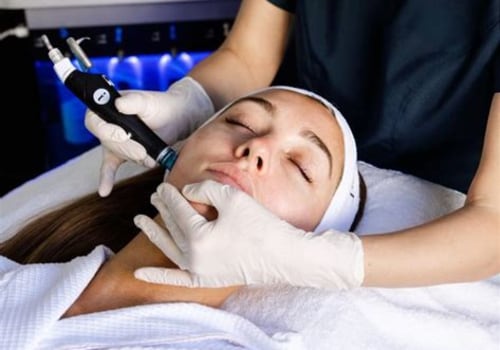
In today's world, where first impressions often hinge on our appearance, the significance of maintaining healthy skin cannot be overstated. A skin clinic serves as a vital resource for individuals seeking to address various skin conditions that can affect not only physical appearance but also overall well-being. These specialized facilities are staffed by trained dermatologists who possess the expertise to diagnose and treat a wide array of skin issues, ranging from common ailments like acne and eczema to more complex conditions such as psoriasis and skin cancer.Visiting a that can affect not only physical appearance but also overall well-being. These specialized facilities are staffed by trained dermatologists who possess the expertise to diagnose and treat a wide array of skin issues, ranging from common ailments like acne and eczema to more complex conditions such as psoriasis and skin cancer. Visiting a skin clinic is essential for anyone experiencing persistent skin problems or those looking to enhance their skin health. The role of dermatology extends beyond mere cosmetic improvements; it encompasses the prevention, diagnosis, and treatment of skin disorders that can have profound effects on an individual's quality of life.
By seeking professional help, patients can receive tailored treatment plans that address their unique skin concerns, ensuring not only effective management of existing conditions but also proactive measures to prevent future issues. Moreover, the importance of early intervention in dermatological care cannot be emphasized enough. Many skin conditions can worsen if left untreated, leading to complications that may require more intensive therapies. A skin clinic provides a supportive environment where patients can learn about their skin health, explore treatment options, and receive guidance on maintaining optimal skin care practices. In this article, we will delve deeper into the common skin conditions treated at these clinics and highlight the benefits of seeking professional dermatological care.
Acne: The Most Common Skin Condition
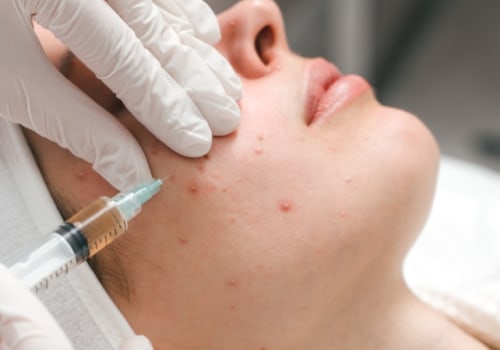
Acne is one of the most prevalent skin conditions affecting individuals of all ages, particularly teenagers and young adults.It occurs when hair follicles become clogged with oil and dead skin cells, leading to various types of lesions on the skin.
Causes of Acne
can vary widely, but some common factors include:- Hormonal changes: Fluctuations in hormones, especially during puberty, menstruation, or pregnancy, can trigger acne.
- Diet: Certain foods, particularly those high in sugar and dairy, may exacerbate acne in some individuals.
- Stress: Increased stress levels can lead to hormonal changes that worsen acne.
- Genetics: A family history of acne can increase the likelihood of developing this condition.
- Comedonal acne: Characterized by blackheads and whiteheads.
- Inflammatory acne: Includes papules and pustules that are red and swollen.
- Cystic acne: A severe form that results in painful, deep cysts under the skin.
- Topical treatments: These include retinoids, benzoyl peroxide, and salicylic acid to reduce inflammation and unclog pores.
- Oral medications: Antibiotics or hormonal treatments may be prescribed for more severe cases.
- Chemical peels: These help exfoliate the skin and reduce the appearance of acne scars.
- Laser therapy: Advanced treatments that target bacteria and reduce oil production in the skin.
Acne scars
, which can be a lasting consequence of this condition, can also be addressed through various treatments available at skin clinics. Options such as microneedling, laser resurfacing, and dermal fillers can significantly improve skin texture and appearance.
Eczema: Understanding This Chronic Condition
Eczema, also known as atopic dermatitis, is a chronic skin condition that affects millions of individuals worldwide. It is characterized by inflammation, redness, and itchiness of the skin, often leading to discomfort and distress. Understanding the symptoms and triggers of eczema is crucial for effective management.Common Symptoms of Eczema
The symptoms of eczema can vary from person to person, but some of the most common include:- Dry, sensitive skin
- Intense itching, which may worsen at night
- Red or brownish-gray patches, often found on the hands, feet, ankles, wrists, neck, upper chest, eyelids, inside the bend of the elbows and knees
- Thickened, cracked skin (lichenification)
- Small, raised bumps that may leak fluid when scratched
Types of Eczema
There are several types of eczema, each with its own set of triggers and characteristics:- Atopic Dermatitis: The most common form, often associated with allergies and asthma.
- Contact Dermatitis: Caused by skin contact with irritants or allergens.
- Dyshidrotic Eczema: Characterized by small blisters on the hands and feet.
- Nummular Eczema: Presents as circular patches on the skin.
- Seborrheic Dermatitis: Often affects oily areas like the scalp and face.
Eczema Treatment Options at a Skin Clinic
A skin clinic can provide comprehensive care for individuals suffering from eczema.Treatment options may include:
- Topical corticosteroids: To reduce inflammation and itching.
- Moisturizers: To hydrate the skin and prevent flare-ups.
- Antihistamines: To alleviate itching and improve sleep.
- Phototherapy: Controlled exposure to ultraviolet light to reduce symptoms.
- Immunomodulators: Non-steroidal medications that help control inflammation.
Psoriasis: A Closer Look at This Autoimmune Disease
Psoriasis is a chronic autoimmune condition that primarily affects the skin, leading to the rapid growth of skin cells. This results in thick, red, scaly patches that can be itchy and sometimes painful. Understanding the symptoms and treatment options available at a skin clinic is crucial for those affected by this condition.The most common symptoms of psoriasis include:- Red patches of skin covered with thick, silvery scales.
- Dry, cracked skin that may bleed.
- Itching, burning, or soreness.
- Nail changes, such as pitting or separation from the nail bed.
- Soreness around joints in cases of psoriatic arthritis.
Therefore, seeking specialized care at a skin clinic can provide both medical and emotional support.Treatment options for psoriasis vary based on the severity of the condition and may include:
- Topical treatments: These include corticosteroids and vitamin D analogs that help reduce inflammation and slow down skin cell turnover.
- Phototherapy: Controlled exposure to ultraviolet light can help alleviate symptoms for many patients.
- Systemic medications: For moderate to severe cases, oral or injected medications that affect the entire body may be prescribed.
- Lifestyle modifications: Stress management, a healthy diet, and avoiding triggers can also play a significant role in managing symptoms.
Rosacea: Identifying and Managing Flare-Ups
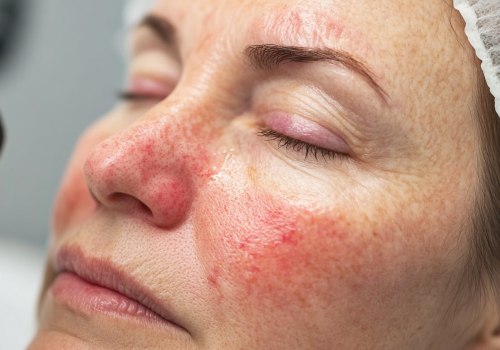
Rosacea is a chronic skin condition that primarily affects the face, leading to redness, visible blood vessels, and sometimes acne-like bumps. Understanding the symptoms and triggers of rosacea is crucial for effective management and treatment.Common Symptoms of Rosacea:
- Facial Redness: Persistent flushing or redness in the central part of the face.
- Visible Blood Vessels: Small, dilated blood vessels that can become more prominent.
- Bumps and Pimples: Acne-like breakouts that may resemble traditional acne.
- Thickened Skin: In some cases, particularly in men, the skin may thicken, especially on the nose.
- Eye Irritation: Many individuals experience eye symptoms, including dryness, irritation, or swollen eyelids.
Identifying Triggers:
Recognizing what triggers your rosacea flare-ups is essential for effective management. Common triggers include:
- Hot beverages: Coffee and tea can cause flushing.
- Spicy foods: Certain spices can exacerbate symptoms.
- Temperature changes: Extreme heat or cold can lead to flare-ups.
- Sun exposure: UV rays can worsen rosacea symptoms.
- Stress: Emotional stress is a well-known trigger for many individuals.
Treatment Options at Skin Clinics:
If you suspect you have rosacea or are experiencing symptoms, visiting a skin clinic can provide you with tailored treatment options. Common treatments include:
- Topical Medications: Prescription creams and gels that reduce inflammation and redness.
- Oral Medications: Antibiotics or other medications to control severe cases.
- Laser Therapy: Treatments that target visible blood vessels and reduce redness.
- Pulsed Light Therapy: A non-invasive option to improve skin appearance and reduce symptoms.
Regular consultations with a dermatologist at a skin clinic can help manage this condition effectively.
Skin Infections: Types and Treatments Available
Skin infections are a common concern that can affect individuals of all ages. These infections can be caused by various pathogens, including bacteria and fungi, and often require professional treatment to ensure effective management and recovery.Skin infections are a common concern that can affect individuals of all ages. These infections can be caused by various pathogens, including bacteria and fungi, and often require professional treatment to ensure effective management and recovery.Bacterial Infections
Bacterial skin infections are among the most prevalent types treated at a skin clinic. Conditions such as impetigo, cellulitis, and folliculitis fall under this category. Impetigo, often seen in children, is characterized by red sores that can burst and ooze.Cellulitis, on the other hand, presents as a painful, swollen area of skin that may be warm to the touch. Folliculitis involves inflammation of hair follicles, leading to red bumps or pus-filled blisters.Treatment for bacterial infections typically involves:
- Topical antibiotics: Creams or ointments applied directly to the affected area.
- Oral antibiotics: Prescribed for more severe infections or those that do not respond to topical treatments.
- Drainage: In cases of abscesses, a healthcare provider may need to drain the infected area.
Fungal Infections
Fungal infections are another significant concern addressed in skin clinics. Common fungal conditions include athlete's foot, ringworm, and candidiasis. Athlete's foot typically affects the spaces between the toes and can cause itching and burning sensations.Ringworm is characterized by a circular rash with clearer skin in the center, while candidiasis can lead to red, itchy patches in moist areas of the body.Treatment options for fungal infections often include:
- Topical antifungals: Creams or powders applied to the skin to eliminate the fungus.
- Oral antifungals: Used for more extensive infections or those that do not respond to topical treatments.
- Lifestyle changes: Recommendations may include keeping the affected area dry and clean to prevent recurrence.
Skin Cancer: Early Detection and Treatment Options
Skin cancer is one of the most prevalent forms of cancer, and its early detection is crucial for effective treatment. There are three primary types of skin cancer that are commonly treated at a skin clinic: basal cell carcinoma , squamous cell carcinoma , and melanoma .- Basal Cell Carcinoma (BCC) : This is the most common type of skin cancer, often appearing as a small, shiny bump or a sore that doesn’t heal. BCC typically develops in areas exposed to the sun.
- Squamous Cell Carcinoma (SCC) : SCC can manifest as a firm, red nodule or a flat sore with a scaly crust.
It is also linked to sun exposure and can be more aggressive than BCC.
- Melanoma : This is the most serious type of skin cancer, characterized by the uncontrolled growth of pigment-producing cells. Early detection is vital, as melanoma can spread to other parts of the body if not treated promptly.
Common treatments available at skin clinics include:
- Surgical Excision : Removing the cancerous tissue along with some surrounding healthy skin.
- Cryotherapy : Freezing the cancer cells with liquid nitrogen.
- Topical Chemotherapy : Applying medication directly to the skin to kill cancer cells.
- Radiation Therapy : Using high-energy rays to target and destroy cancer cells.
Hyperpigmentation: Causes and Solutions
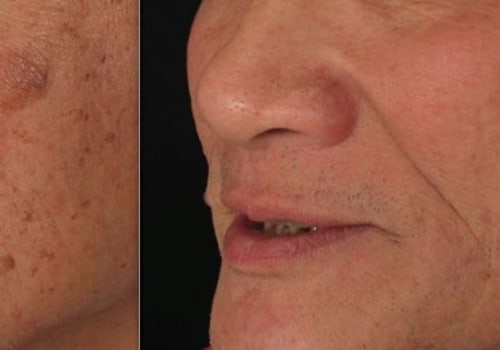
Hyperpigmentation is a common skin condition characterized by darkened patches or spots on the skin, resulting from an excess production of melanin. This condition can affect individuals of all skin types and is often triggered by various factors.Causes of Hyperpigmentation
- Sun Exposure: Prolonged exposure to UV rays can lead to sunspots and uneven skin tone.
- Hormonal Changes: Conditions such as pregnancy or hormonal therapies can cause melasma, a type of hyperpigmentation.
- Post-Inflammatory Hyperpigmentation: This occurs after skin injuries, such as acne or eczema, leading to dark spots.
- Certain Medications: Some drugs can increase sensitivity to sunlight, exacerbating hyperpigmentation.
Treatments for Hyperpigmentation
There are several effective treatments available at skin clinics to address hyperpigmentation:- Topical Treatments: Creams containing ingredients like hydroquinone, retinoids, or vitamin C can help lighten dark spots.
- Chemical Peels: These treatments exfoliate the top layer of skin, promoting new cell growth and reducing pigmentation.
- Laser Therapy: Targeted laser treatments can effectively break down melanin deposits in the skin.
- Microdermabrasion: This procedure gently removes dead skin cells, improving overall skin tone and texture.
Using broad-spectrum sunscreen daily can prevent further darkening of existing spots and protect against new ones. Incorporating products with antioxidants and gentle exfoliants can also enhance your skin's appearance over time.If you're struggling with hyperpigmentation, consulting with a qualified dermatologist at a skin clinic can provide you with personalized advice and treatment options tailored to your needs.
FAQs About Skin Conditions Treated at Skin Clinics
When considering a visit to a skin clinic, many individuals have questions about the types of skin conditions that can be treated. Here are some frequently asked questions that can help clarify what to expect:- What are the most common skin conditions treated at skin clinics?
Skin clinics typically address a variety of conditions, including:- Acne: A prevalent issue among teenagers and adults, acne can lead to scarring if not treated properly.
- Eczema: This chronic condition causes itchy, inflamed skin and can be managed with appropriate treatments.
- Psoriasis: A long-term autoimmune condition that results in red, scaly patches on the skin.
- Rosacea: Characterized by facial redness and visible blood vessels, this condition often requires specialized care.
- Skin cancer: Early detection and treatment are crucial for various types of skin cancer, making regular check-ups essential.
- How do I know if I need to visit a skin clinic?
If you experience persistent skin issues, changes in moles, or any discomfort related to your skin, it’s advisable to consult a dermatologist at a skin clinic. - What treatments are available for these conditions?
Treatments vary based on the condition but may include:- Topical medications
- Oral medications
- Light therapy
- Cryotherapy
Conclusion: The Importance of Professional Skin Care
In conclusion, seeking treatment at a skin clinic is essential for anyone dealing with skin conditions that affect their health and confidence.Throughout this article, we have explored various common skin issues such as acne, eczema, psoriasis, and rosacea, all of which can significantly impact an individual's quality of life. Professional skin care not only addresses these conditions effectively but also provides tailored solutions that over-the-counter products often cannot achieve.Visiting a skin clinic allows patients to benefit from:
- Expert Diagnosis: Trained dermatologists can accurately diagnose skin conditions, ensuring that patients receive the correct treatment.
- Customized Treatment Plans: Each skin type is unique; professionals can create personalized plans that cater to individual needs.
- Access to Advanced Treatments: Clinics offer cutting-edge therapies and technologies that are not available in regular retail settings.
- Ongoing Support: Regular follow-ups and adjustments to treatment plans help in managing chronic conditions effectively.
Don’t hesitate to reach out for professional help; your skin deserves the best care possible.